How Long Does a Garage Floor Coating Install Take?
A real, hour-by-hour timeline of a Chattanooga garage floor coating install. Prep, base, flake, topcoat, and the cure window before you can drive on it.
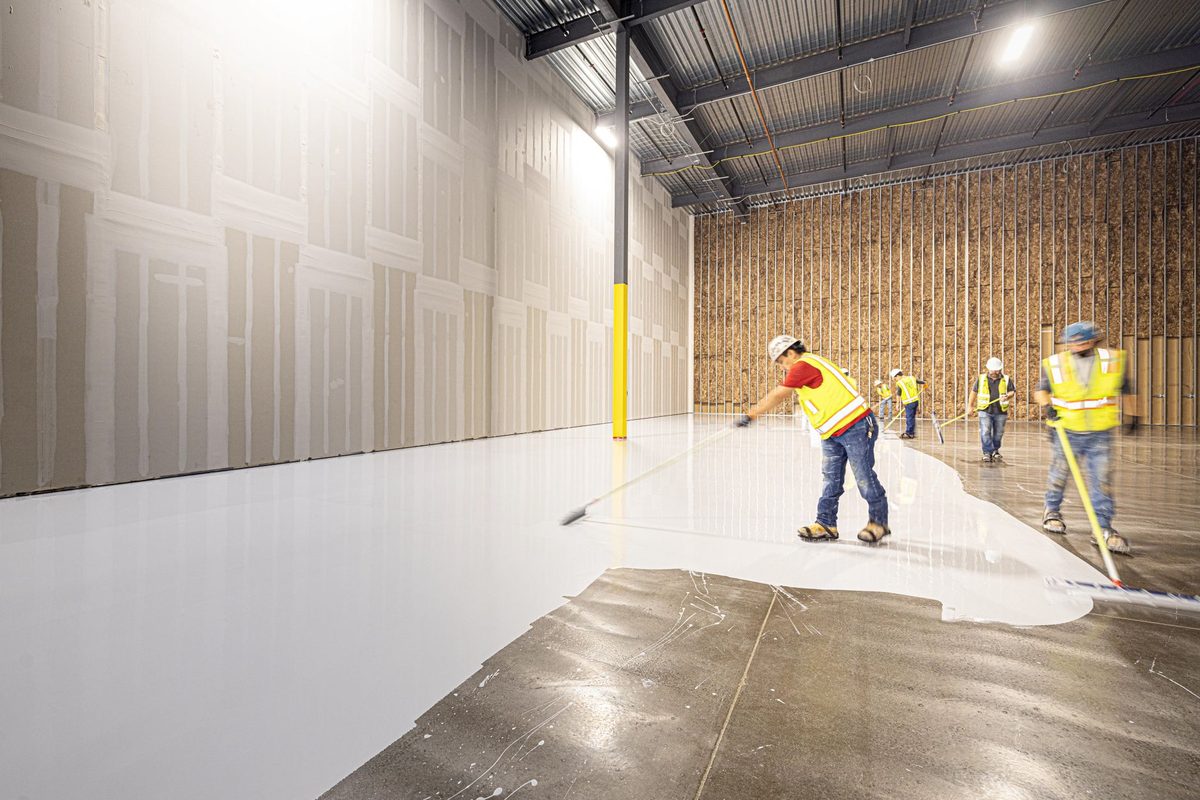
A real, hour-by-hour timeline of a Chattanooga garage floor coating install. Prep, base, flake, topcoat, and the cure window before you can drive on it.
For most Chattanooga garage floor coating jobs, expect one to two days of on-site work plus a cure window before the floor is back in full service. A one-day polyaspartic install wraps up between 7 AM and 6 PM, with light foot traffic OK the next morning and driving 24 hours after install. A traditional two-day epoxy job has a prep and base coat day, a topcoat day, and a 24 to 48 hour cure before driving. Larger floors, significant slab repair, or specialty decorative finishes can stretch a job into a third day, but that is the exception, not the rule.
The crew arrives, sets up dust containment, and runs the diamond grinder across the entire slab. Dust is collected at the source with HEPA vacuums attached to the grinders, so the garage stays cleaner than you might expect. By 9:30 the slab is back to fresh concrete.
We chase and fill structural cracks, address control joints, and patch any pits or spalls. Moisture is tested with either calcium chloride strips or a relative humidity probe. If the reading is in spec, we move to the base coat. If high, we install a moisture-mitigation primer first.
We roll the polyaspartic base coat at the spec rate and broadcast vinyl flakes into the wet resin to refusal. The base cures in about an hour after broadcast, fast enough that we can move directly to the scrape step.
Once the base coat has cured enough to handle, we scrape the loose flake down with hand scrapers, then vacuum the floor clean. This step takes longer than people expect because thoroughness here directly affects how the topcoat lays down.
The clear polyaspartic topcoat goes down over the scraped flake. This is the layer that delivers the gloss, the UV stability, and the chemical resistance. The crew works fast because the resin's working window is short.
We clean up the job site, walk the floor with you, and hand off the job sheet with system spec, color details, and cure schedule. The floor is tacky to the touch but no longer sticky. We close the garage door and call it a day.
A traditional epoxy install runs a similar sequence over two days. Day one is grinding, repair, moisture test, and the epoxy base coat with flake broadcast. Day two is scraping, vacuuming, and the polyaspartic or polyurethane topcoat. The reason for the two-day schedule is that traditional epoxy needs overnight cure before the topcoat goes on. The trade-off is a lower material cost and slightly thicker film build on the base coat.
For polyaspartic systems: light foot traffic OK the next morning, driving OK at 24 hours, long-term parking OK after about 72 hours. For traditional epoxy: foot traffic OK after about 12 hours, driving OK after 48 hours, long-term parking after about a week. Avoid harsh chemicals and standing water for the first 72 hours regardless of system. Normal cleaning, including a damp mop, is fine after a few days.
Five things stretch the schedule. First, significant slab repair when the existing concrete has major cracks, spalls, or settled sections. Second, a high moisture reading that requires a primer with its own cure window. Third, larger floors over 1,000 square feet, which simply need more hours per pass. Fourth, weather delays in cooler months, especially when the slab temperature drops too low for proper cure. Fifth, decorative finishes like metallic epoxy that require multiple color passes and additional cure time between layers.
Empty the garage completely before the crew arrives. Move vehicles to the driveway or street. Move cabinets and shelving to the driveway if you can, or to one side of the garage if not. Remove anything from the walls where overspray could land. We send a prep checklist a few days before the job that covers all this. Read more about the install process on our polyaspartic coating service page or compare to traditional epoxy. When you are ready to schedule, request a free quote.